September 28, 2026 Post by : Editorial Event Styling
How to Build a DIY Balloon Arch That Actually Stays Up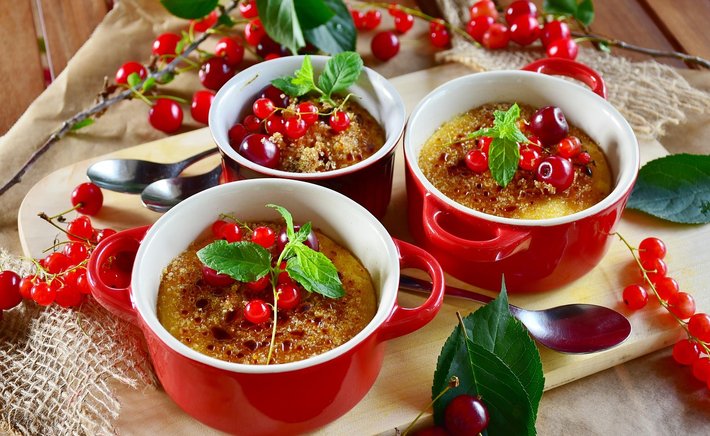
A dessert table is often the emotional center of a party. It is where guests gather, where photos get taken, and where the theme of the event comes together in one glance. Yet many home hosts treat it as a simple surface for placing cakes and cookies, and the result can feel flat. The difference between a table that looks like a display and one that looks like a buffet comes down to a few principles of styling: height, layering, texture, and restraint.
Start with your backdrop before you think about the table itself. A plain wall can be transformed with a garland, a fabric swag, or a cluster of paper fans. The backdrop sets the color story and gives the table a frame, which immediately makes the arrangement feel intentional. Choose two or three colors and stick to them across the backdrop, the linens, and the desserts. A tight palette reads as sophisticated, while too many colors compete for attention.
Building Height and Layering
The single most common mistake is placing everything at the same level. To create visual interest, vary the height of your display. Use cake stands, stacked books wrapped in fabric, upside-down bowls, and wooden crates to elevate some items while leaving others low. A tall cake on a pedestal in the center, surrounded by lower plates of cookies and cupcakes, creates a natural focal point. Odd numbers of items tend to look more pleasing than even ones, so group desserts in threes or fives where possible.
Layer your surfaces as well. A tablecloth or runner in a contrasting color grounds the display, and a few smaller textiles — a napkin folded under a plate, a strip of ribbon around a jar — add detail without clutter. Trailing elements like a garland draped across the front edge or a few sprigs of greenery tucked between platters soften the hard lines of the table and connect the backdrop to the display.
Texture, Labels, and the Final Edit
Texture is what makes a dessert table feel rich in photos. Mix smooth surfaces like frosted cakes with crinkled paper, matte linens, shiny glass jars, and soft florals. Even the desserts themselves contribute: a powdered-sugar dusting, a drizzle of glaze, or a sprinkle of chopped nuts adds visual texture that flat frosting lacks. Small touches like striped straws, wooden spoons in jars, and kraft paper labels tie the theme together.
Labels are a practical and decorative addition. Handwritten or printed cards identifying each treat help guests and add a layer of design. Keep the cards consistent in style and place them slightly in front of each platter rather than on top of the food. Finally, do an edit before the party starts. Remove anything that does not fit the palette or the theme, and resist the urge to fill every inch of the table. Negative space gives the eye a place to rest and makes the items you do include feel more deliberate. A styled dessert table is not about having more — it is about arranging what you have with care.

Author

22 feb,2025
This incident opened my eyes to the value of Insurance in general, so I decided to examine my personal and business insurance.


Comment (3)
The payments are made directly from one person to another without passing through a central bank or clearing house.
22 feb,2025
ReplyHow to Build a DIY Balloon Arch That Actually Stays Up
23 feb,2025
ReplyCrepe Paper Streamers: Cheap, Cheerful, and Surprisingly Versatile
23 feb,2025
Reply