20 November 2026 Post by : Editorial iGaming
How to Build a DIY Balloon Arch That Actually Stays Up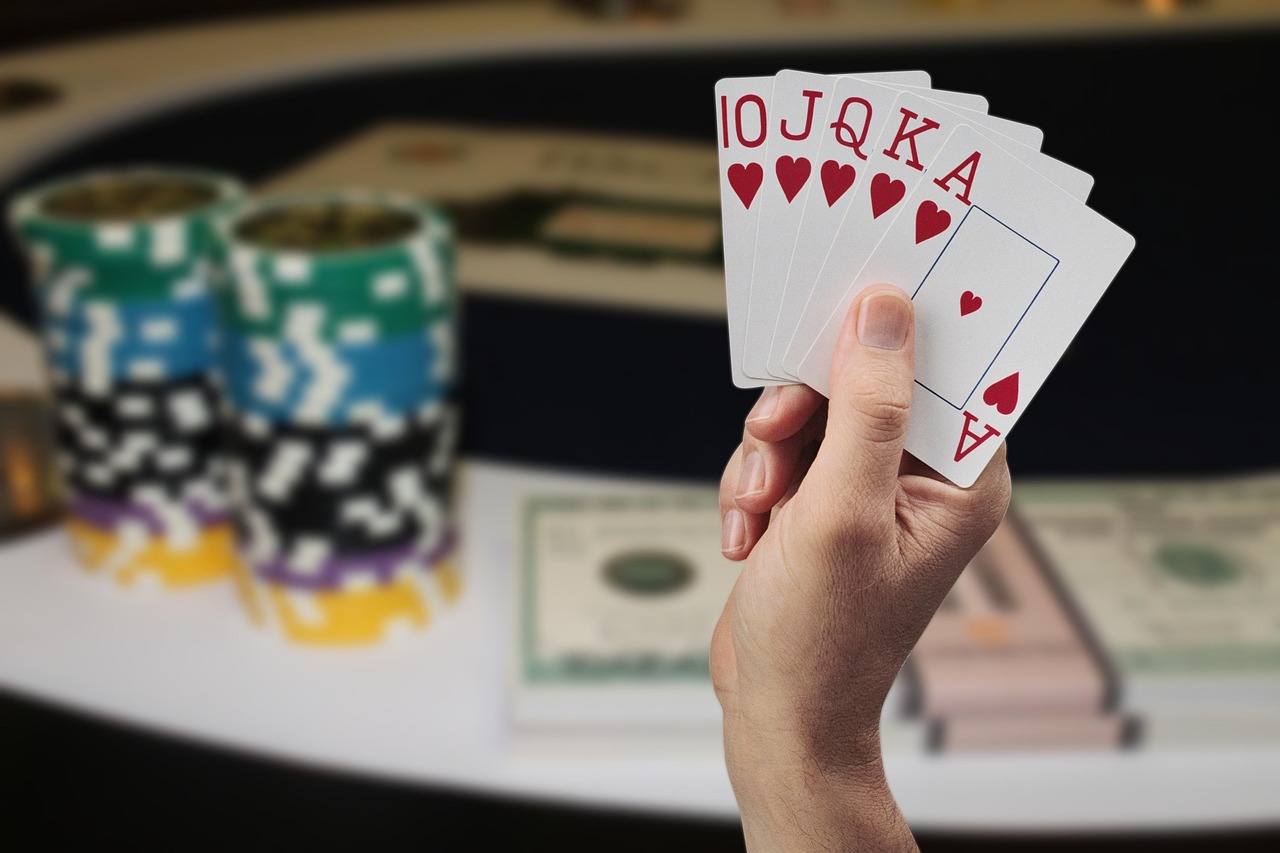
Let me tell you about the night I watched a guy feed a €5 slot machine for four hours straight. He wasn't having fun. He wasn't winning. He was just... there, hunched over, pressing spin like it owed him something. That image stuck with me, because it captures pretty much everything people get wrong about iGaming. The games are fantastic. The math is unforgiving. And the gap between those two facts is where most players lose their shirts without ever realizing it.
Whether you're spinning slots, grinding cash games at the poker table, or placing a Saturday accumulator, understanding what you're actually doing matters more than any hot streak ever will. Let's break down the landscape honestly.
Slots: The House Edge Nobody Wants to Talk About
Slots are the beating heart of most casinos, online and off, and for good reason: they require zero skill, which means everyone feels welcome. That's also exactly why they're dangerous. When you're playing blackjack, you can at least pretend your decisions matter. On a slot machine, the only decision that matters is which machine you sit at and how much you stake.
Modern online slots run on RNGs (random number generators) audited by third parties. The payout percentage, or RTP, typically sits between 94% and 97%. That sounds fine until you do the math: a 96% RTP means the house keeps 4% of every euro wagered, long-term. Spin €1,000 through a slot and, on average, you lose €40. The volatility determines how you lose it — a high-volatility slot like Money Train 3 might drain your balance for 200 spins and then hit you with a 5,000x payout. A low-volatility game like Starburst pays small and often, keeping you entertained but still grinding you down at the same rate. You can read more about it on สล็อต.
A few things worth internalizing:
- RTP is calculated over millions of spins, not your session. You can absolutely lose for hours on a 97% game.
- Volatility is more important than RTP for bankroll management. High-volatility slots need 300-500x your average bet as a buffer.
- Bonus features are pre-determined. Clicking 'pick me' boxes or stopping a spinning wheel doesn't change the outcome — it's theater.
- Autoplay is the fastest way to lose track of money. Use it sparingly, if at all.
Poker: The Only Game Where You Can Actually Win
Here's an uncomfortable truth: poker is the sole casino game where a skilled player can achieve a positive expected value over the long run. Every other game — slots, roulette, crash, baccarat — is a math problem you cannot solve. Poker is a math problem plus a human problem, and humans are beatable.
That said, the modern online poker ecosystem is brutal. Twenty years ago, a decent player could crush $1/$2 no-limit hold'em on a laptop. Today, solvers like PioSolver have effectively mapped optimal play for most common spots, and the recreational player pool has shrunk dramatically at higher stakes. If you're thinking about taking poker seriously, here's the honest starting sequence:
- Master pre-flop ranges before anything else. Open-raising the right hands from the right positions is 70% of the battle at micro stakes.
- Play at least 50,000 hands at one stake before moving up. Variance is savage and 10,000 hands tells you nothing.
- Track every session. If you don't know your win rate in bb/100, you don't know if you're actually winning.
- Study as much as you play. The 50/50 rule — half your poker time studying, half playing — is the fastest path to competence.
Importantly, don't play poker to relieve gambling urges. Play it as a skill game with gambling components. The mindset difference is enormous and directly affects your results.
Sports Betting: Information Beats Intuition
Sports betting is where the most money flows and where the most delusion lives. The bookmaker's margin — usually 4-7% on a two-way market — is the tax you pay for the privilege of betting. Beating that margin consistently requires either superior information or superior discipline, and typically both.
What actually works, according to sharp bettors who've been doing it for decades:
- Line shopping. The difference between +105 and -110 on the same bet is roughly 5% in expected value. Across hundreds of bets, that's the profit margin.
- Specialising. Sharps rarely bet every sport. They pick one league, one market, and learn it inside out.
- Closing line value. If your bet consistently beats the closing line, you're likely profitable long-term even if short-term results look ugly.
Chasing parlays and same-game multis feels thrilling — I get it — but the compounded house edge turns even a two-leg parlay into a losing proposition for most bettors. Treat them as lottery tickets, not strategies.
Bankroll Management: The Boring Secret to Not Going Broke
Every gambler who's lasted more than a year will tell you the same thing: bankroll management matters more than game selection or study. Here's a rough framework:
- Slots: Bet no more than 1% of your session bankroll per spin. If you have €200 for the night, you're spinning €2, not €5.
- Poker: Keep 30-50 buy-ins for cash games, 100+ for tournaments. If you play €1/€2 NLHE, your bankroll should be €6,000 minimum.
- Sports betting: Flat-stake 1-2% of bankroll per bet. Never chase losses with increased stakes.
And set a loss limit before you start. Not after. The version of you that's already down €400 is not the version of you who should be making rational decisions.
The Psychological Trap Everyone Falls Into
Casinos, both physical and online, are engineered around a simple fact: the human brain hates losing more than it loves winning. Near-misses on slots activate the same neural pathways as actual wins. Streaks feel meaningful when they're statistically inevitable. Bonuses with wagering requirements of 35x keep you playing long past the point of enjoyment.
None of this makes gambling evil. It makes it real. The players who enjoy iGaming long-term are the ones who treat it as entertainment with a price tag, not as an income stream or an escape. If you find yourself lying about your play, chasing losses, or feeling anxious every time you open a casino app, that's your signal to step back — not from a single session, but from the entire activity for a while. Every regulated site offers deposit limits, loss limits, and self-exclusion tools. Use them. They're not for problem gamblers; they're for thoughtful players who want to stay thoughtful.
The Bottom Line
iGaming is a fantastic form of entertainment when you respect it and a brutal way to burn money when you don't. The slots will still be there tomorrow, the poker tables will still run, and the Saturday fixtures aren't going anywhere. Your bankroll, however, has an expiry date if you treat every session like it's the one that turns everything around. Spin small, study hard, bet selectively, and walk away when the fun stops being fun. That's the entire game, really.


Author

22 feb,2025
This incident opened my eyes to the value of Insurance in general, so I decided to examine my personal and business insurance.





Comment (3)
The payments are made directly from one person to another without passing through a central bank or clearing house.
22 feb,2025
ReplySeasonal Garland Ideas for Every Month of the Year
23 feb,2025
ReplyPaper Fan Backdrops: The Affordable Statement Piece
23 feb,2025
Reply